Chemical Peels for Melasma: What They Can Do, and What They Cannot
Melasma is one of the more frustrating pigment conditions we treat, largely because it behaves differently than the sun spots and post-acne marks patients often confuse it with. It appears as broad, symmetric patches of brown or gray-brown discoloration, usually across the cheeks, forehead, upper lip, or bridge of the nose. It responds to treatment, then returns. In a climate like ours, it is often persistent.
Chemical peels are an important part of melasma treatment. They’re not a cure, and used aggressively they can make the condition worse. Understanding that distinction is the difference between steady improvement and a setback that takes months to recover from.
Why Melasma Is Different
Most hyperpigmentation is a response to a single trigger. Sun spots come from cumulative UV exposure. Post-inflammatory hyperpigmentation follows acne, a bug bite, or irritation.
Melasma has multiple drivers working at once:
- Hormonal influence, including pregnancy, birth control, and hormone therapy
- Ultraviolet exposure
- Visible light, including blue light from the sun and from screens
- Heat, which can stimulate pigment production independent of UV
- Genetic predisposition
Our climate and lifestyle are why melasma is so persistent in New Orleans. Even patients who are diligent about sunscreen contend with heat and humidity for most of the year, and heat alone can drive a flare. It also explains why melasma is considered a chronic, relapsing condition rather than something that is treated once and finished.
How Chemical Peels Help
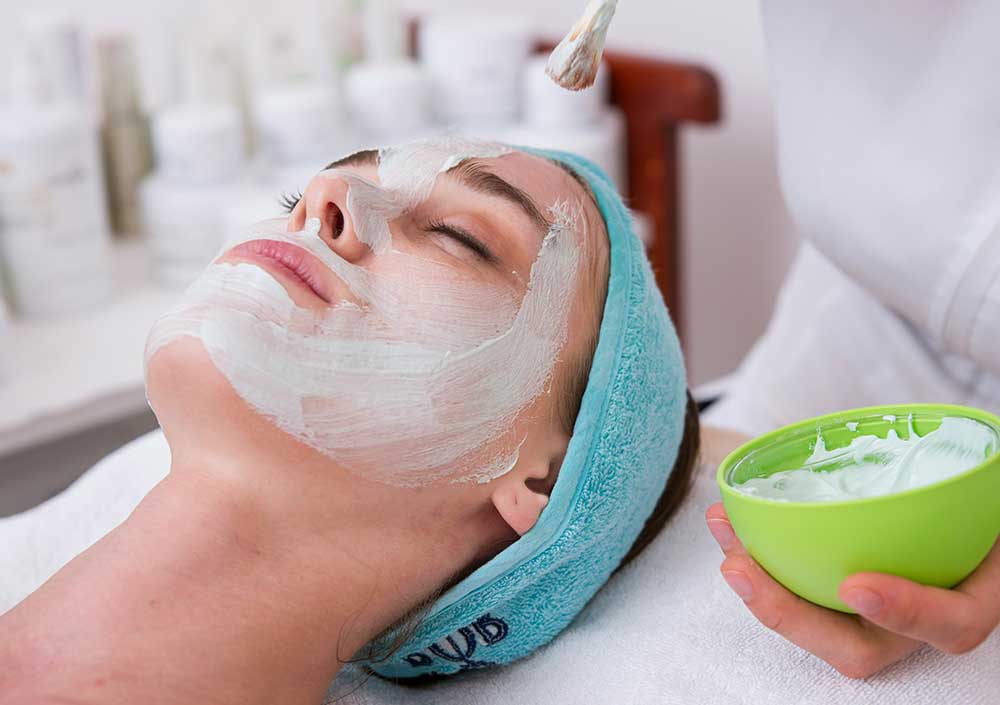
A chemical peel applies an acidic solution to the skin at a controlled strength, removing outer layers of pigmented cells and prompting the body to generate new, healthier tissue underneath. For melasma, this accomplishes two things: it lifts existing pigment sitting in the upper layers of skin, and it improves how well prescription topicals penetrate and work.
Peels offered at Être include:
- Glycolic acid
- Salicylic acid
- VI
- Combination peels using TCA and Jessner’s solution
Peels are also categorized by depth. Superficial and medium peels exfoliate the outermost layers with little to no downtime. Deep peels reach further and produce more dramatic change, with a longer recovery.
Why Depth Matters, and Why Conservative Wins
For most skin concerns, deeper peels mean better results. Melasma is an exception, and this is where treatment goes wrong most often.
Melasma is an inflammatory-driven pigment condition. Aggressive exfoliation creates inflammation, and inflammation is one of the things that triggers melasma in the first place. A peel that is too deep, too frequent, or poorly matched to a patient’s skin type can cause rebound pigmentation that is darker and harder to treat than what you started with. This risk is significantly higher in patients with skin of color, whose melanocytes are more reactive.
The approach that works is a series of lighter, superficial peels spaced several weeks apart, with adjustments made based on how your skin responds between sessions. Progress is measured over months, not weeks. Patients who push for faster results usually end up further behind.
What Peels Alone Will Not Do
A peel removes pigment that has already formed. It does nothing to stop your skin from producing more.
That is why peels are rarely effective as a standalone melasma treatment. A plan that produces lasting improvement typically includes:
- Prescription topicals to suppress pigment production between treatments
- Daily broad-spectrum sunscreen, ideally a tinted mineral formula containing iron oxides, which help block the visible light that UV filters alone do not address
- Heat and sun avoidance strategies that account for how you actually spend your time outdoors
- Ongoing maintenance, since melasma recurs when treatment stops
Melasma is an ongoing condition that requires not only treatment but continued maintenance to prevent recurrence.
Getting the Diagnosis Right First
Not all facial discoloration is melasma, and treatments that work for one type of pigment can worsen another. Broad symmetric patches, discrete brown spots from sun exposure, and dark marks left behind by acne each call for a different plan. Some patients have more than one type at the same time.
Light-based treatments, for instance, are excellent for sun spots and vascular redness but can aggravate melasma in certain patients. Getting this wrong is not a minor detour. It can set treatment back significantly or worsen the condition.
Why Physician Evaluation Matters
Melasma requires judgment about depth, frequency, formulation, and how to sequence peels alongside topical therapy, all calibrated to your skin type and your triggers.
Dr. Kyle Coleman and Dr. Lisa Donofrio are board-certified dermatologists who evaluate the type and depth of your pigment before recommending any treatment, and who take a deliberately conservative approach with melasma because restraint produces better long-term outcomes than intensity. They will tell you honestly what is achievable and what maintenance the results will require.
At Être Cosmetic Dermatology & Laser Center, we combine artistry and science to give you natural, beautiful results. If melasma has been difficult to manage or has returned after previous treatment, call us at (504) 227-3873 to schedule your consultation and build a correction plan for the season ahead.