Fraxel Laser Resurfacing in New Orleans: What It Treats, How It Works, and What to Expect
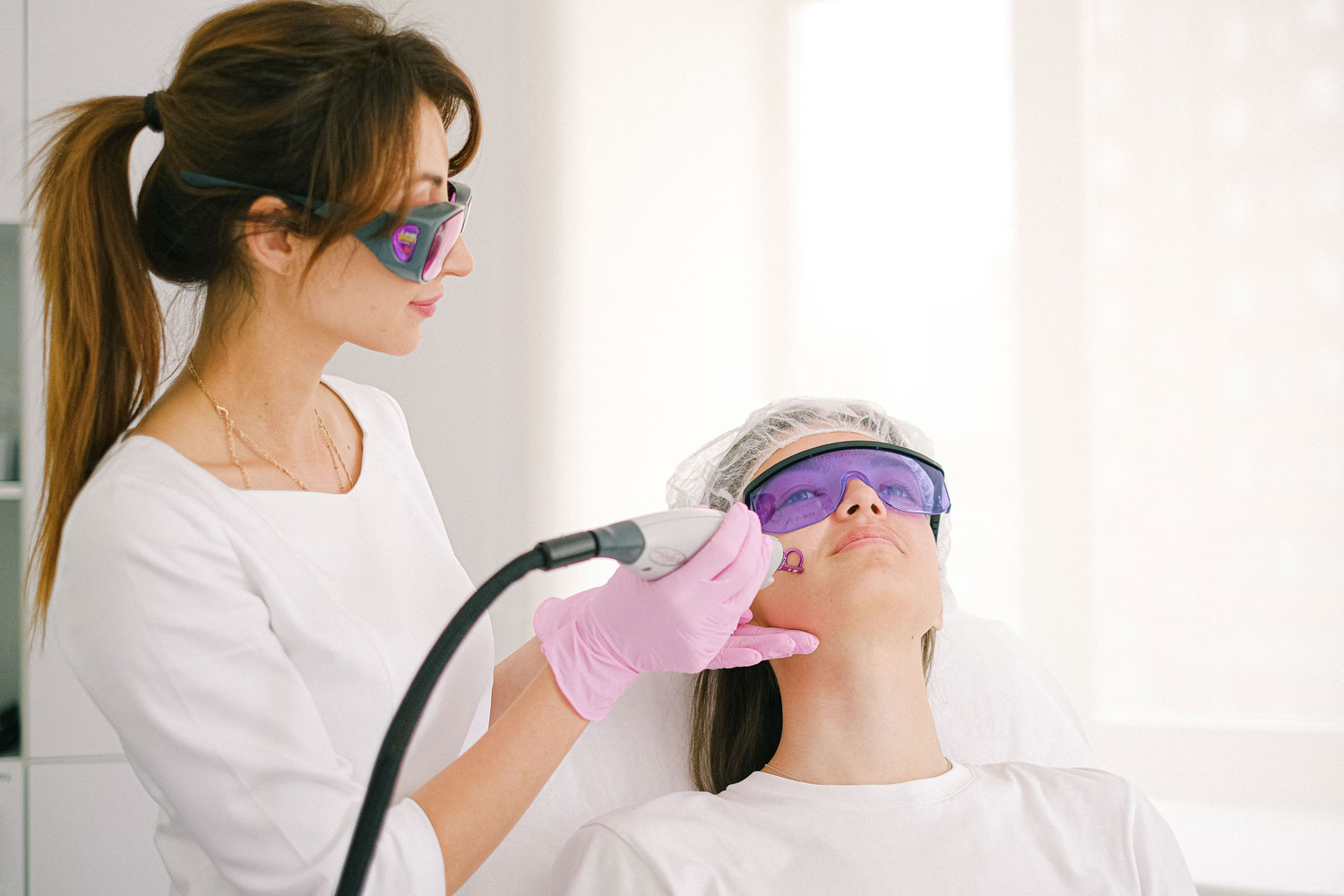
After a long New Orleans summer, many patients start to notice the effects of cumulative sun exposure. Uneven tone, rough texture, fine lines, and brown spots tend to look more obvious by fall. Fraxel® laser resurfacing is one of the most effective ways to address these concerns, with far less downtime than more aggressive resurfacing options.
At Être Cosmetic Dermatology & Laser Center in New Orleans, Fraxel treatments are performed with a physician-led approach focused on safety, precision, and natural-looking results.
What Is Fraxel Laser Resurfacing?
Fraxel is a fractional laser treatment. Instead of treating the entire skin surface at once, it delivers laser energy in thousands of microscopic columns while leaving the surrounding skin intact. That untreated skin helps the treated areas heal quickly.
Fraxel is non-ablative, which means it works beneath the surface without removing the outer layer of skin. These controlled micro-injuries activate the skin’s natural healing response, replacing damaged cells and stimulating new collagen production. Collagen gives skin its firmness and smooth texture, so as it rebuilds, overall skin quality improves from within.
What Does Fraxel Treat?
Fraxel can improve a wide range of skin concerns, including:
- Fine lines and wrinkles
- Sun damage and brown spots
- Uneven skin tone
- Rough or uneven texture
- Acne scars and other scarring
- Stretch marks
- Enlarged pores
Treatment is commonly performed on the face, neck, chest, and hands. These areas often show sun exposure and aging first.
Why Fall Is an Ideal Time for Fraxel
Skin is more sensitive to the sun while it heals from laser treatment, and UV exposure during recovery can increase the risk of unwanted pigment changes. Lower UV intensity in the fall and winter months makes healing more comfortable and makes it easier to protect your results.
Because Fraxel is typically performed as a series, starting in the fall also gives you time to complete your treatments and see results develop well before spring and summer return.
How Many Fraxel Treatments Will I Need?
Most patients benefit from a series of treatments. Many treatment plans include three to five sessions spaced a few weeks apart, though the exact number depends on your skin concerns, skin type, and goals. Some patients also schedule periodic maintenance sessions to sustain their results.
What to Expect During Treatment
A topical numbing cream is applied before treatment to keep you comfortable. Treating the full face typically takes less than 30 minutes, making Fraxel easy to fit into a busy schedule. Many patients describe the sensation as warm and prickly.
What Is Recovery Like After Fraxel?
Recovery from Fraxel is generally manageable and much shorter than recovery from ablative resurfacing. Common expectations include:
- Redness and swelling for the first few days, similar to a sunburn
- A rough, bronzed appearance as treated skin begins to renew
- Light flaking or peeling during the first week
Most patients return to work and social activities within a few days. Gentle skincare, consistent moisturizing, and daily broad-spectrum sunscreen are essential while your skin heals. You’ll receive detailed post-treatment instructions to support proper healing and optimal results.
When Will I See Results?
Many patients notice brighter, smoother skin once initial healing is complete. Collagen continues to rebuild for months after each session, so results keep improving over time. The full effect is typically visible a few months after completing a treatment series.
Fraxel vs. CO₂ Laser Resurfacing
Both Fraxel and CO₂ laser resurfacing stimulate collagen and improve skin quality, but they differ in intensity. CO₂ is an ablative laser that removes damaged outer layers of skin and requires roughly 7 to 14 days of initial healing. Fraxel leaves the skin’s surface intact, which means less downtime per session, though a series of treatments is usually needed to reach your goals.
Fraxel is often a strong fit for patients with mild to moderate concerns who can’t take extended time away from work or social commitments. For deeper wrinkles or more advanced sun damage, CO₂ resurfacing may provide more significant correction in fewer treatments. Your dermatologist will help you determine which approach best fits your skin and your schedule.
Who Is a Good Candidate for Fraxel?
Fraxel may be appropriate for patients who:
- Have sun damage, uneven tone, or textural concerns
- Want noticeable improvement with limited downtime
- Can avoid direct sun exposure during healing
- Have realistic expectations about gradual results
Patients with darker skin tones or a history of pigment concerns can often benefit from Fraxel, but treatment settings must be carefully tailored to reduce the risk of post-inflammatory hyperpigmentation. A consultation includes a full evaluation of your skin type, medical history, and goals to determine whether Fraxel or a different approach is the best option.
Why Physician Expertise Matters for Fraxel
Laser energy, treatment density, and the number of passes all influence both your results and your safety. Settings that are too aggressive can lead to prolonged redness or pigment changes, while settings that are too conservative may not deliver meaningful improvement.
Board-certified dermatologists Dr. Kyle Coleman and Dr. Lisa Donofrio customize every Fraxel treatment to the patient’s skin type, concerns, and long-term goals. This physician-led approach prioritizes safe, consistent results that look natural and refreshed.
Frequently Asked Questions About Fraxel Laser Resurfacing
What does Fraxel treat?
Fraxel treats fine lines, wrinkles, sun damage, brown spots, uneven tone, acne scars, stretch marks, and rough texture on the face, neck, chest, and hands.
Is Fraxel painful?
A topical numbing cream is applied before treatment. Most patients describe the experience as a warm, prickling sensation with mild discomfort.
How much downtime is there after Fraxel?
Most patients experience redness and swelling for a few days, followed by light flaking for about a week. Many return to work and normal activities within a few days.
How many Fraxel sessions will I need?
Many patients see their best results with three to five sessions spaced a few weeks apart. Your dermatologist will recommend a plan based on your skin and goals.
Is Fraxel safe for darker skin tones?
Fraxel can be used on a range of skin tones when settings are carefully tailored by an experienced physician. Your consultation will determine whether Fraxel is the right fit for your skin.
How long do Fraxel results last?
Fraxel provides long-lasting improvement in skin quality, though natural aging and sun exposure continue. Daily sunscreen, a consistent skincare routine, and periodic maintenance treatments help preserve your results.
Can Fraxel be combined with other treatments?
Yes. Fraxel can be combined with injectables, IPL photofacials, hand rejuvenation fat transfer, or medical-grade skincare for a more complete rejuvenation plan.
At Être Cosmetic Dermatology & Laser Center, Fraxel laser resurfacing is performed with careful attention to skin health, safety, and natural results. If you’re ready to restore smoother, more even-toned skin this fall, call (504) 227-3873 or reach out online to schedule your consultation.