Blepharoplasty: What Eyelid Surgery Treats, How It’s Performed and What to Expect
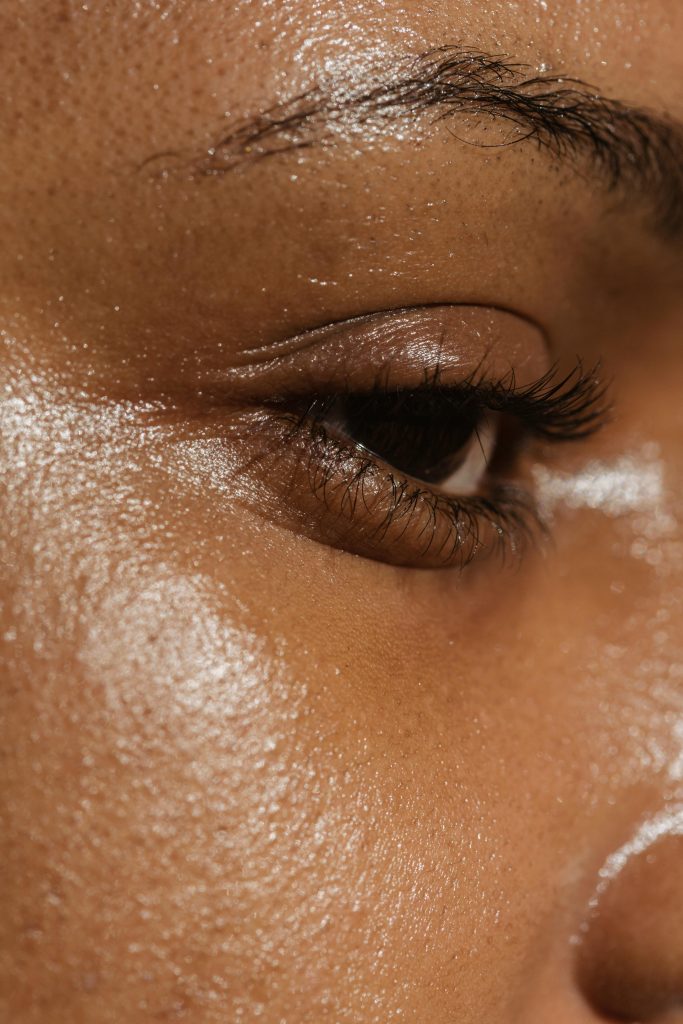
The eyes are one of the most expressive features of the face, and they’re also an area where structural changes can become the most noticeable over time. Changes around the eyes are often related to excess skin laxity, loss of bone or shifts in fat. When these changes create heaviness of the upper eyelids or persistent fullness beneath the eyes, non-surgical treatments may offer limited improvement.
Blepharoplasty, commonly referred to as eyelid surgery, and often called an “upper bleph” when addressing the upper eyelids, is a precise surgical procedure designed to address these concerns in a controlled and natural way.
At Être Cosmetic Dermatology & Laser Center in New Orleans, blepharoplasty is performed with a conservative, anatomy-focused approach that prioritizes safety and subtlety.
What Is Blepharoplasty?
Blepharoplasty is a surgical procedure that improves the appearance and function of the upper eyelids, lower eyelids, or both. Depending on a patient’s anatomy and goals, the procedure may involve:
- Removing excess upper eyelid skin
- Reducing or repositioning excess eyelid fat
- Smoothing lower eyelid contour irregularities
- Improving eyelid definition while preserving natural eye shape
The goal of blepharoplasty is not to change how the eyes look but to restore openness and give a refreshed appearance while maintaining natural expression.
What Is an “Upper Bleph”?
An “upper bleph” is a commonly used, informal term for an upper eyelid blepharoplasty. It refers specifically to a procedure that addresses excess skin and in some cases excess fat on the upper eyelids.
- An upper bleph is designed to:
- Remove redundant upper eyelid skin
- Reduce heaviness or hooding of the eyelids
- Improve eyelid definition without altering eye shape
Upper eyelid blepharoplasty is often performed in-office under local anesthesia and typically involves a more straightforward recovery compared to lower eyelid surgery. During your consultation, your dermatologist will determine whether an upper bleph alone is appropriate or if combination treatments with fillers, neuormodulator or fat transfer may optimize your results.
How Invasive Is Blepharoplasty?
Blepharoplasty is considered a minor surgical procedure, though it is still surgery and should be approached thoughtfully. At Être, many eyelid procedures are performed in-office under local anesthesia, sometimes with oral medication for comfort. This approach allows for:
- Avoidance of general anesthesia
- Reduced procedural risk
- Shorter recovery time
- Efficient, controlled treatment
- Decreased cost
Incisions are carefully placed within natural eyelid creases to make them inconspicuous.
What Is Recovery Like After Eyelid Surgery?
Recovery after blepharoplasty is generally manageable particularly when the procedure is performed conservatively.
Most patients experience:
- Swelling and bruising around the eyes for approximately 7-14 days
- Mild tightness or dryness during early healing
- Gradual improvement as swelling resolves
Many patients return to non-strenuous daily activities within several days. Final results continue to refine over the following weeks as healing progresses.
Who Is a Good Candidate for Blepharoplasty?
Blepharoplasty may be appropriate for patients who have:
- Excess upper eyelid skin that feels heavy or obstructive
- A consistently tired or weighed-down appearance around the eyes
- Good overall health and realistic expectations
A thorough consultation includes evaluation of eyelid anatomy, skin elasticity, and facial balance to determine whether surgical or non-surgical care is most appropriate.
Blepharoplasty vs. Non-Surgical Eye Treatments
Injectables, lasers, and skin-tightening treatments can improve fine lines, skin texture, and mild volume concerns around the eyes. However, these treatments cannot remove excess skin or significantly reposition eyelid fat.
When structural eyelid changes are the primary concern, blepharoplasty often provides the most effective and durable improvement. In some cases, surgical and non-surgical treatments may be combined for a comprehensive result.
Why Physician Experience Matters for Eyelid Surgery
The eyelids are delicate structures with both functional and aesthetic importance. Over-correction can affect expression, symmetry, or comfort. Dr. Kyle Coleman and Dr. Lisa Donofrio approach blepharoplasty with precision and restraint, focusing on preserving natural anatomy while restoring clarity and balance.
Each procedure is customized based on eyelid structure, facial proportions, and long-term considerations.
Frequently Asked Questions About Blepharoplasty
What does blepharoplasty treat?
Blepharoplasty treats excess eyelid skin, under-eye fullness, and contour irregularities caused by structural changes in the eyelids.
Is an upper bleph the same as blepharoplasty?
An upper bleph is a type of blepharoplasty that focuses only on the upper eyelids. Blepharoplasty can refer to surgery of the upper eyelids, lower eyelids or both.
Is blepharoplasty performed in the office?
Most upper blepharoplasty surgeries can be performed in the office under local anesthesia lessing risk, decreasing recovery, and decreasing costs.
How long do blepharoplasty results last?
Results are long-lasting, as excess skin and fat are permanently addressed. Natural aging continues but improvement is typically maintained for many years.
Is eyelid surgery painful?
Most patients report minimal discomfort. Temporary swelling and bruising are expected during healing.
Can blepharoplasty be combined with other treatments?
Yes. Blepharoplasty may be combined with laser treatments, fat transfer, or skin resurfacing when appropriate.
At Être Cosmetic Dermatology & Laser Center, blepharoplasty is performed with careful attention to anatomy and safety with a focus on natural results. If you are considering eyelid surgery and would like a physician-led evaluation, call (504) 227-3873 to schedule your consultation or reach out online here.